

MoodPhones: Can Your Mobile Predict Your Feelings Before You Do?
Imagine a world where your mobile phone can detect your emotions before you even realize you're feeling them. Can your phone be the first to know when you're happy, sad, or stressed? With the advent of emotion AI, this is becoming a reality.
MoodPhones are future smartphones that can analyze your typing rhythm, brightness habits, and swipe speed to detect your moods. By leveraging advanced technology, these phones can predict your feelings, potentially revolutionizing the way we interact with our devices.

Key Takeaways
- Discover how MoodPhones use emotion AI to predict user feelings.
- Learn about the advanced technology behind MoodPhones.
- Understand the potential impact of MoodPhones on user experience.
- Explore the possibilities of analyzing smartphone usage patterns.
- Find out how MoodPhones can revolutionize the way we interact with our devices.
The Dawn of Emotionally Intelligent Technology
With the advent of emotionally intelligent technology, devices are evolving beyond mere functionality. They now perceive and respond to our emotions, transforming our interactions. This change makes them more intuitive and aligned with our needs.

The Shift from Functional to Perceptive Devices
Historically, devices focused on functionality, emphasizing processing power, storage, and connectivity. Yet, the latest technology wave prioritizes understanding and responding to human emotions. This marks a significant shift towards devices that perceive and react to our feelings.
This transformation is fueled by breakthroughs in tech psychology and the study of digital behavior. By grasping how we interact with our devices, technology can become more empathetic and supportive.
Why Emotional Intelligence Matters in Technology
Emotional intelligence in technology is crucial because it enables devices to offer more personalized and supportive experiences. By recognizing our emotions, devices can provide tailored suggestions, support mental health, and boost overall satisfaction.
| Aspect | Functional Devices | Perceptive Devices |
|---|---|---|
| Focus | Task-oriented | User-centric |
| Interaction | Command-based | Emotion-based |
| User Experience | Standardized | Personalized |
The integration of emotional intelligence into technology is a major leap towards creating more harmonious and supportive interactions between humans and devices.
How Your Digital Behavior Creates an Emotional Profile
Our smartphones are now essential for daily interactions, leading to the analysis of our digital behavior. This analysis is part of mood detection, aiming to grasp our emotional states through our digital activities.
The Science of Digital Body Language
Our smartphones capture subtle cues about our behavior, from typing patterns to app interactions. This digital body language offers insights into our emotional states.
Typing Patterns as Emotional Indicators
Research indicates that our typing patterns reveal much about our emotional state. For example, typing erratically is often a sign of stress or anxiety. Mood detection algorithms use these patterns to infer our emotional condition.
Screen Interaction Habits and Mood Correlation
Our screen interaction habits also offer valuable mood insights. The frequency of app switching, time on social media, and brightness settings correlate with emotional states. Analyzing these habits helps build a detailed emotional profile linked to our digital behavior.

The Psychological Footprint of Smartphone Use
Our smartphone use leaves a psychological footprint that can be analyzed for emotional well-being. Combining data from typing patterns, screen interaction, and other digital behaviors creates a comprehensive emotional profile.
| Digital Behavior | Emotional Indicator |
|---|---|
| Erratic Typing | Stress or Anxiety |
| Frequent App Switching | Restlessness or Distraction |
| Prolonged Social Media Use | Low Self-Esteem or Melancholy |
Understanding this digital behavior is key to developing empathetic technology. Such technology can support our mental health and well-being.
The Technology Behind MoodPhones
Exploring MoodPhones reveals a blend of fascinating and complex technology. The integration of emotion AI into these devices is transforming how they interact with our emotions. This innovation is at the forefront of future smartphone technology.
Analyzing Typing Rhythm and Pressure
MoodPhones employ advanced sensors to dissect typing rhythm and pressure. This analysis uncovers a user's emotional state. The technology behind this includes:
- Keystroke dynamics analysis
- Advanced pattern recognition algorithms
Keystroke Dynamics and Emotional States
Studies indicate that keystroke dynamics can expose a person's emotional state. For example, typing with force and speed may signal stress or anxiety.
Pattern Recognition Algorithms
These algorithms are key in identifying user behavior patterns. They predict emotional shifts by analyzing typing habits. This allows MoodPhones to offer timely support.

Brightness Preferences as Mood Indicators
Adjusting screen brightness can reflect a user's mood. Research shows that emotional states influence brightness settings. Brighter settings often accompany positive moods.
| Mood Indicator | Brightness Preference |
|---|---|
| Positive Mood | Brighter Settings |
| Negative Mood | Darker Settings |
Decoding Emotions Through Swipe Speed and Precision
Swipe speed and precision on MoodPhones offer insights into emotional states. Fast, erratic swipes suggest agitation or frustration. Slower, more deliberate swipes may indicate contemplation or sadness.
By integrating these data points, MoodPhones gain a deep understanding of users' emotional landscapes. This enables them to offer empathetic and supportive interactions, marking a new era in smartphone technology.
Current Applications of Emotion AI in Mobile Technology
Emotion AI in mobile devices is revolutionizing tech psychology. It's changing how our gadgets sense and react to our feelings.
Existing Mood-Tracking Applications
Many mood-tracking apps are out there, using Emotion AI to keep tabs on our emotions. They help us understand our mood patterns, shedding light on our mental health.

How Tech Giants Are Implementing Emotional Recognition
Apple and Google are leading the charge in emotional recognition in their products and services.
Apple's Emotional Health Initiatives
Apple is committed to emotional health through its Health app. It lets users record their feelings and monitor their mental state over time.
Google's Digital Wellbeing Approach
Google's Digital Wellbeing focuses on fostering healthy digital habits. By studying how we emotionally respond to digital interactions, Google is crafting features that promote mindful tech use.
These advancements mark a major leap in using Emotion AI in mobile tech. They're making our digital lives better and more aware.
Future Smartphones: The Emotional Intelligence Revolution
The future of smartphones is not just about processing power or camera quality; it's about understanding and responding to our emotions. As technology advances, we're witnessing a significant shift towards creating devices that can empathize with users.

From Smart to Empathetic Devices
The next generation of smartphones will be equipped with advanced Emotion AI, enabling them to recognize and respond to users' emotional states. This evolution will transform smartphones into empathetic companions, providing support and personalized experiences.
One of the key features of future smartphones will be their ability to integrate with health monitoring systems. By tracking vital signs and emotional indicators, these devices can offer valuable insights into users' mental and physical well-being.
Integration with Health Monitoring Systems
Future smartphones will be capable of seamless integration with various health monitoring devices, creating a comprehensive picture of the user's health. This integration will enable:
- Tracking of vital signs such as heart rate and blood pressure
- Monitoring of emotional states through facial recognition and voice analysis
- Providing personalized recommendations for stress management and mental well-being
| Feature | Current Smartphones | Future Smartphones |
|---|---|---|
| Emotion Recognition | Limited to basic facial recognition | Advanced Emotion AI for nuanced understanding |
| Health Monitoring | Basic fitness tracking | Comprehensive health monitoring integration |
| Personalization | Basic settings adjustments | Dynamic personalization based on emotional states |
Personalization Based on Emotional States
Future smartphones will offer dynamic personalization based on the user's current emotional state. This could include adjusting the device's interface, suggesting appropriate content, or even providing emotional support through AI-driven counseling.
By leveraging Emotion AI, future smartphones will revolutionize how we interact with technology, making our devices more intuitive and supportive.
The Predictive Capabilities of MoodPhones
MoodPhones can now anticipate emotional changes by analyzing digital behavior. This is made possible by advanced algorithms that track user interaction with their device. These algorithms interpret various data points to provide a new level of self-awareness.
How Phones Can Anticipate Emotional Changes
MoodPhones detect subtle changes in emotional state through different data points. These include typing rhythm, app usage patterns, and screen pressure. This information is then processed to predict potential mood shifts.
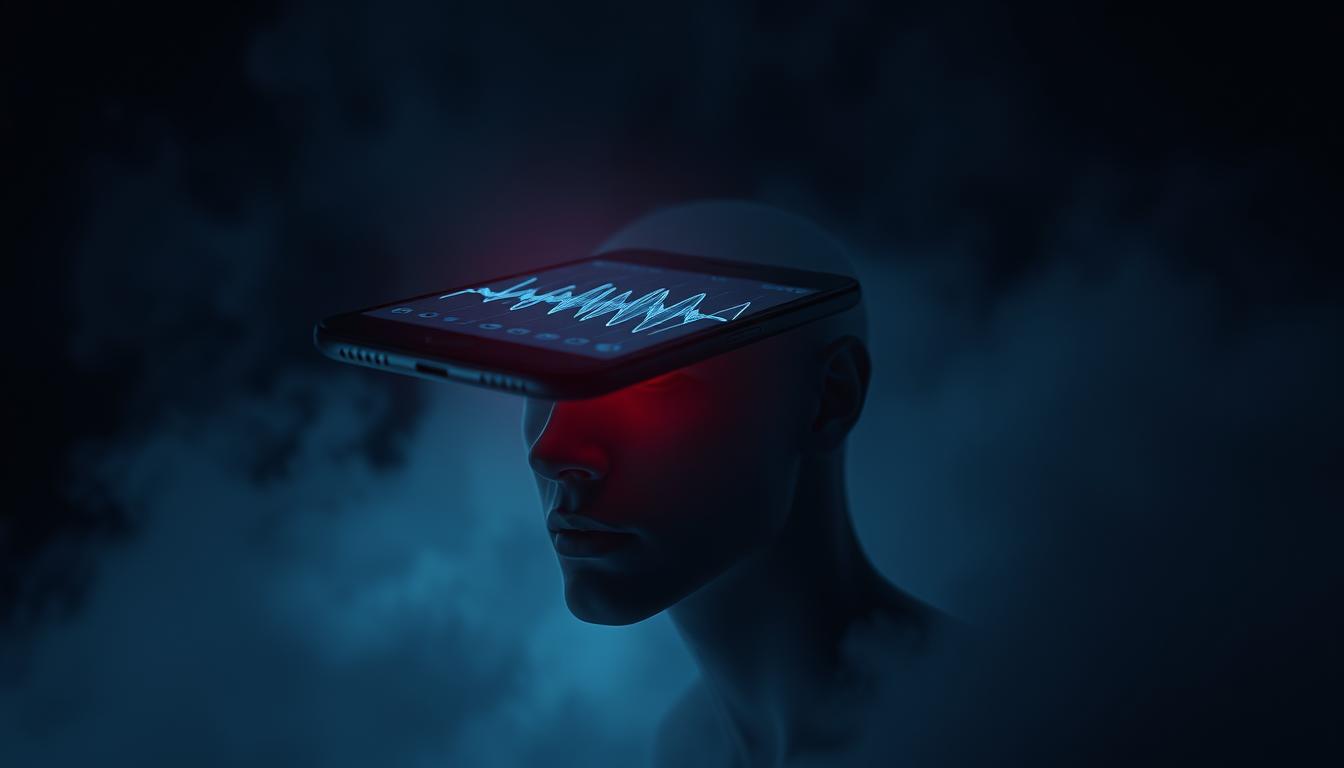
The Science of Mood Prediction Accuracy
The accuracy of mood prediction depends on machine learning and emotional pattern recognition. MoodPhones continuously learn from user data, improving their predictions over time.
Machine Learning and Emotional Pattern Recognition
Machine learning algorithms are essential in identifying complex patterns in user behavior. These patterns correlate with specific emotional states. As these algorithms process more data, they become more accurate in predicting mood changes.
Limitations and Challenges in Prediction
Despite advancements, challenges remain, such as ensuring data privacy and addressing variability in human emotional responses. Overcoming these challenges is crucial for improving mood prediction reliability.
In conclusion, MoodPhones' predictive capabilities mark a significant advancement in mood detection and emotional intelligence. As technology evolves, we can expect even more sophisticated insights into our emotional lives.
Real-World Applications and Benefits
Emotion AI in mobile technology is transforming how we interact with our devices. It's not just about improving user experience. It's about fostering empathy and support through tech psychology.
Mental Health Support and Early Intervention
MoodPhones are crucial in mental health support, detecting early signs of depression and anxiety. Advanced algorithms analyze user behavior and emotional responses to achieve this.
Depression and Anxiety Detection
Research indicates that changes in smartphone usage can signal mental health issues. For example, a drop in social interactions or typing patterns may indicate depression.
Crisis Prevention Capabilities
MoodPhones can identify emotional distress early, enabling timely interventions. They can send alerts to emergency contacts or provide immediate support resources.
| Feature | Benefit |
|---|---|
| Emotion AI | Early detection of mental health issues |
| Personalized Support | Tailored resources for mental health |
Enhancing Personal Relationships Through Mood Awareness
MoodPhones can improve personal relationships by enhancing emotional awareness. This leads to more empathetic and supportive interactions among loved ones.
"Technology is not just a tool, it's an extension of ourselves. When used correctly, it can enhance our humanity." -
Workplace Applications for Well-being and Productivity
In the workplace, Emotion AI supports employee well-being, boosting productivity and job satisfaction. It's highly beneficial in high-stress environments.

As we integrate emotion AI into our lives, the potential for supportive environments grows. The future of tech psychology is bright, with MoodPhones leading this revolution.
The Privacy Implications of Emotional Data Collection
Smartphones now detect and analyze our emotional states, raising crucial privacy questions. As devices better understand our feelings, the risk of misuse of this data increases.
Who Owns Your Emotional Information?
The question of who owns emotional data is complex. It's unclear if this information belongs to you or the device maker. This uncertainty sparks worries about how it might be used or shared.

Data Security Concerns for Sensitive Emotional Profiles
Emotional data is highly sensitive and vulnerable to unauthorized access if not secured properly. Protecting this data is essential to keep user trust intact.
| Data Type | Security Measure | Potential Risk |
|---|---|---|
| Emotional State | Encryption | Unauthorized Access |
| Mood Detection | Secure Servers | Data Breach |
| Digital Behavior | Access Controls | Identity Theft |
Regulatory Challenges in Emotion AI
Emotion AI technology is evolving quickly, creating significant regulatory hurdles. Current laws may not adequately safeguard emotional data, necessitating new, specific regulations.
Key regulatory considerations include: ensuring transparency in data collection, establishing clear guidelines for data use, and providing mechanisms for users to control their emotional data.
Ethical Considerations in Tech Psychology
As tech psychology advances, it's vital to tackle the ethical sides of emotionally intelligent devices. Smartphones now can grasp and forecast user emotions with Emotion AI, sparking major ethical debates.
The Risk of Emotional Manipulation and Targeting
Emotional manipulation is a major ethical concern. Smartphones can detect emotions, posing a risk of influencing user actions. This could happen through targeted ads or other tactics. It's crucial to safeguard users from such manipulation.
Informed Consent in Emotional Monitoring
Informed consent is a critical aspect. Users must know how their emotional data is gathered, processed, and shared. Being transparent about data handling is key to keeping user trust.
The Right to Emotional Privacy
Emotional privacy is another pressing issue. Users should have the right to keep their emotional states private. It's up to tech companies to uphold this privacy.

It's essential to balance Emotion AI's benefits with ethical concerns in tech psychology. By tackling these ethical challenges, we can make sure the tech improves user well-being without infringing on their rights.
The Social Impact of Emotion-Aware Technology
The introduction of emotion-aware technology in smartphones is transforming how we interact with technology. As devices become more attuned to our emotional states, our relationship with technology and each other is changing.
Changing Human-Technology Relationships
Emotion-aware technology is redefining our interaction with devices. By understanding and responding to our emotional cues, smartphones are evolving from mere tools to empathetic companions. This shift is likely to deepen our reliance on technology, making it an integral part of our emotional lives.
The Double-Edged Sword of Digital Empathy
Digital empathy, as offered by emotion-aware technology, has both positive and negative implications.
Benefits of Emotional Support
On the positive side, these technologies can offer emotional support and personalized assistance, potentially improving mental health outcomes. For instance, a smartphone could detect early signs of depression and suggest interventions or connect the user with support networks.
Risks of Dependency and Reduced Human Connection
Yet, there's also a risk of becoming overly dependent on digital empathy, potentially leading to reduced human connection. As we rely more on our devices for emotional understanding, we may inadvertently diminish our interpersonal skills.
| Aspect | Benefits | Risks |
|---|---|---|
| Emotional Support | Personalized assistance, improved mental health outcomes | Dependency on technology for emotional regulation |
| Human Connection | Enhanced understanding through digital empathy | Reduced interpersonal skills, isolation |
As we move forward, it's crucial to balance the benefits of emotion-aware technology with the potential risks. We must ensure that our future smartphones enhance our lives without compromising our humanity.
Building Truly Responsive Systems
Responsive systems that can interpret and react to emotional cues are the future of mobile technology. As we continue to develop Emotion AI, it's crucial that we focus on creating systems that not only understand but also respond appropriately to user emotions.
Training AI for Emotional Understanding
Training AI to comprehend emotional nuances involves complex algorithms and significant data analysis. By leveraging machine learning techniques, developers can enhance AI's ability to recognize and interpret emotional signals from users.
Creating Adaptive Experiences
Adaptive experiences are about tailoring the user experience based on the emotional state of the user. This can lead to more personalized and supportive interactions with mobile devices.
| Feature | Description | Benefit |
|---|---|---|
| Emotional Analysis | Analyzing user emotional data | Personalized experience |
| Adaptive Interface | Adjusting UI based on emotions | Enhanced user engagement |
| Proactive Support | Offering support based on emotional state | Improved user well-being |
The Future of Human-Centered Design
The future of mobile technology lies in human-centered design, where devices are designed with the user's emotional and psychological needs in mind. This approach ensures that technology serves to enhance human experience rather than intrude upon it.
Conclusion: Navigating the Future of Emotional Technology
Looking ahead, future smartphones will evolve into more than mere devices. They will become personal companions, capable of understanding our emotional states. The emergence of MoodPhones, with their sophisticated mood detection features, is transforming our relationship with technology.
MoodPhones have the potential to forecast our emotions before we even feel them. By examining our digital habits, these devices can craft a detailed emotional profile. This enables a more tailored and empathetic interaction with technology.
Yet, as we advance towards a more emotionally aware tech world, we must confront the hurdles of emotional data collection and AI use. It's essential to ensure this technology is developed and used responsibly. This will unlock its true potential.
In the realm of emotional technology, MoodPhones will undoubtedly shape our interactions with devices and each other. By leveraging emotional intelligence, we can forge a more empathetic and interconnected society.
FAQ
How do MoodPhones analyze typing rhythm to detect emotions?
MoodPhones employ sophisticated algorithms to dissect typing rhythm, pressure, and speed. This analysis uncovers emotional states, capitalizing on keystroke dynamics.
Can MoodPhones predict feelings before a person is aware of them?
Absolutely, MoodPhones can forecast emotional shifts by scrutinizing digital behaviors. This includes typing rhythm, brightness habits, and swipe speed, often before the individual is consciously aware.
What is Emotion AI, and how is it used in mobile technology?
Emotion AI is artificial intelligence that discerns and interprets human emotions. In mobile tech, it enables devices to grasp and react to users' emotional states, fostering emotionally intelligent gadgets.
Are there any existing applications that track mood or emotional well-being?
Yes, numerous mood-tracking apps are available. Tech behemoths like Apple and Google are also integrating emotional recognition into their products. Apple focuses on emotional health, while Google emphasizes Digital Wellbeing.
What are the privacy implications of collecting emotional data?
The collection of emotional data stirs debates on ownership, security, and the necessity for stringent privacy laws. These are crucial to safeguard users' emotional privacy.
How can emotionally intelligent technology impact mental health support?
Emotionally intelligent tech, such as MoodPhones, can initiate early intervention in mental health. It can detect emotional shifts, potentially spotting depression and anxiety. This technology also aids in crisis prevention.
What is the future of human-centered design in mobile technology?
The future of mobile tech design centers on creating adaptive, unobtrusive experiences. This involves training AI to grasp emotional subtleties, leading to devices that are more responsive and empathetic.
Can emotionally aware technology change human-technology relationships?
Yes, emotionally aware tech can profoundly alter human-technology interactions. It offers emotional support but also poses risks of dependency and diminished human connection, presenting a complex scenario.

